Weeknote 06/2026

A complex system, contrary to what people believe, does not require complicated systems and regulations and intricate policies. The simpler, the better. Complications lead to multiplicative chains of unanticipated effects.
(Nassim Nicholas Taleb)
The above photo was taken before the fog became much worse last night while driving back from Aaron's house in the Scottish Borders. At one point, it was so foggy that my Polestar 2 informed me it could no longer run the collision avoidance system. Gulp.
There's a metaphor in there somewhere for this week, in which I was told that, after just over a year of investigations, there's nothing physically “wrong” with me. The consultant I saw is a nationally-recognised exercise physiologist and psychologist who said she wished she'd seen me when I was struggling in January 2025. I'm a “barn door” case, apparently, of someone who over-trains, under-recovers. I also probably had a a viral infection over the Christmas holidays and was massively stressed at the start of 2025.
As a result, my autonomic system was thrown into disarray. And, although I gave up running for a year, because I kept lifting weights at the gym every other day that system never got a rest. The consultant's advice? Take off my smartwatch, come off my calcium channel blockers (no point), and return to running really slowly and for no more than 20 minutes at a time.
The best piece of advice she gave me, though, was to decide what it is I'm aiming for. The routine I'd created for myself was making me ill, so I shouldn't be looking to return to that. As a cyclist herself, she understood my drive to be better, stronger, and faster, but reminded me that we only need 150 minutes of moderate activity per week to maintain cardiovascular health. Anything over and above that is for other benefits – reducing anxiety, mood boosting, improving our physical appearance, etc.
Writing
The post I published on Monday was actually a rare outing for my blog over at ambiguiti.es:
 Doug Belshaw
On Wednesday, I started a new three-part series on mental models for our polycrisis times. The first one is focused on individual mental models:
 Doug Belshaw
The second part of the series focused on tools and systems:
 Doug Belshaw
I'll publish the third part tomorrow, which discusses organisations and institutions, and shared mental models.
Over at Thought Shrapnel, I published:












Reading & Listening
I started Is Mother Dead by Vigdis Hjorth, another Verso-published novel, a few days ago after finishing Happy Hour by Marlowe Granados.
As a migraineur, the most consequential non-fiction I read this week was this article from BBC Future on the casuses of migraine:
 Sofia Quaglia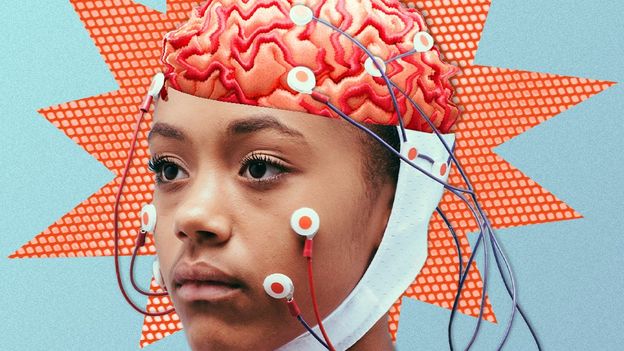
While it largely confirms what I already knew, I find it curious that it doesn't mention something I've found to be true: taking statins (which lower blood pressure) seems to have a preventative effect.
I've expanded this section to include listening, as I do enjoy podcasts and audiobooks. This week I've been listening to:
- Ash Routen, The State of Exploration (The Adventure Podcast)
- Dispatch: Waldo Etherington, Trees (The Adventure Podcast)
- Globalization Unto Death (Hardcore History)
- History Under The Influence (Hardcore History)
Working
I haven't had as much work on this week, as we're trying to keep the days remaining on the Amnesty International UK community platform project for reporting and evaluation. INASP have confirmed they want to work with us, but are just figuring things out with their funder. And I haven't yet heard back from Skills Development Scotland as to whether our response to their ITQ was successful.
Never one to sit twiddling my thumbs, I've been experimenting with MCP servers. Part of the Model Context Protocol, these servers “are programs that expose specific capabilities to AI applications through standardized protocol interfaces." In other words, you can use natural language to get systems to do things:
Using MCP, AI applications like Claude or ChatGPT can connect to data sources (e.g. local files, databases), tools (e.g. search engines, calculators) and workflows (e.g. specialized prompts)—enabling them to access key information and perform tasks.
Here's an example of me using Claude Code together with Anytype:
Thus emboldened, I first connected Claude Code and then Perplexity to a Discourse MCP server to query the Amnesty Community. There are various things you can do as an admin if you enable read/write functionality, but I'd have to talk with Laura about doing that first...
My home server runs Unraid and although it was working reasonably well as a Plex server, I hadn't configured it very well. As a result I was having to perform manual actions that could be automated. I connected Claude Code to my server via an Unraid MCP server, left it overnight, and it sorted everything out! It felt a bit like magic, if I'm honest.
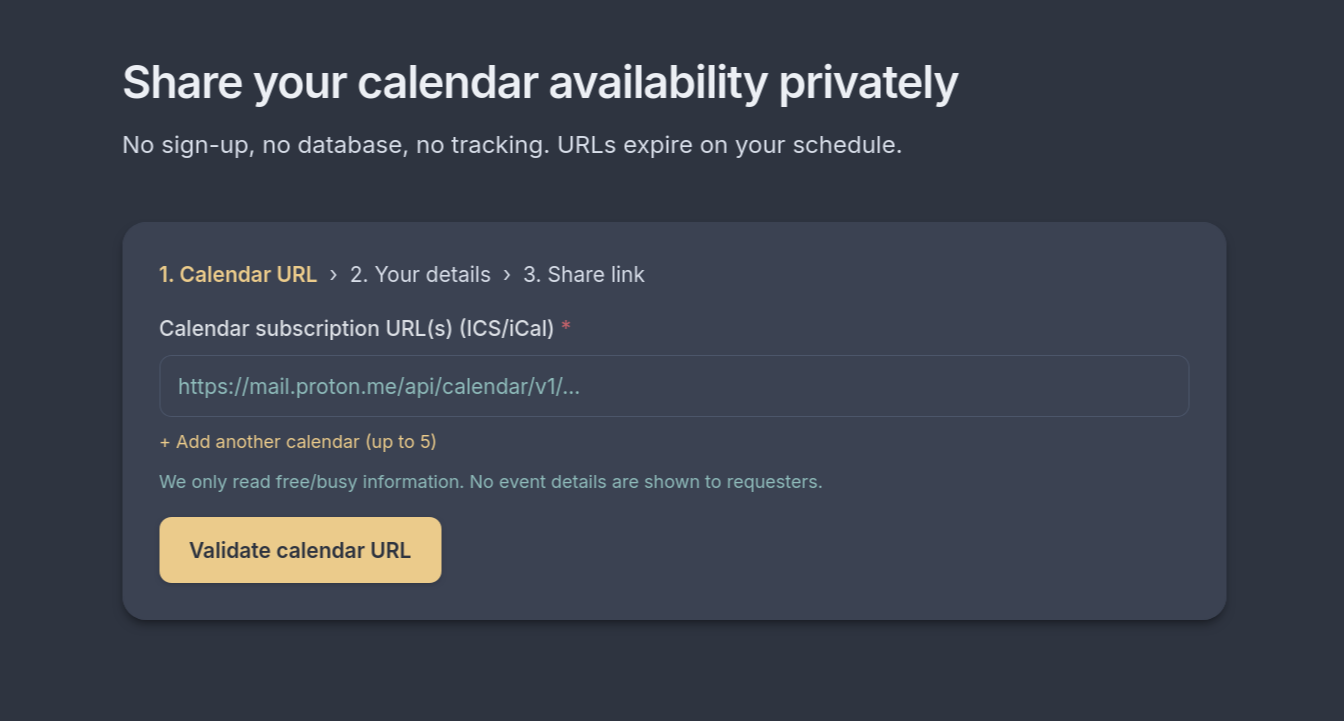
I've also been updating Scheduler, some software I'm vibe-coding. For now, it allows you to add multiple calendars, create a scheduling page, and then send it to others. There's a couple of anti-spam measures, one behind the scenes, and the other being the visitor having to confirm their email address before you receive a booking request.
It's running it at scheduler.dougbelshaw.com and will publish a post about it soon once I've got it exactly as I want it. It will continue to be Open Source, and I'm also considering running a freemium service.
Personal
I discussed my biggest personal update of the week at the top of this post. Other than that, I'm feeling a bit rough today. Probably some kind of viral infection meant that I've got a bit of a cough, and slept until 10:15 today (unheard of!)
My son, Ben, was back home last night between his lifeguarding shifts over the weekend. He's recently got full control of the the money his grandparents saved and gave to him for his 18th birthday. So, he's decided he wants to go to Iceland for a few days during his uni reading week. I assisted him while he booked flights and accommodation. He's also booked a tour.
No football or refereeing for my daughter, Grace, this weekend, but she did have a callback trial for the England talent pathway on Friday night. She played really well, and was one of only five under-15 girls called back in the North East.
Hannah, my wife, decided to rip out a kitchen cabinet in our utility room as she wants to configure it differently. There's talk of us finally getting a dog! I originally joked about getting a greyhound and calling it “Dave.” The female contingent seem to want a Labradoodle called “Cosmo” 🙄
Next week
This time next week I'll be in Barcelona on holiday with Hannah and Grace. This is the trip that we rebooked after having to cancel our trip to Madeira last summer as I couldn't get travel insurance for an undiagnosed condition. We'll be going from there to Madrid for a few days, then back to Barcelona.
Before then, I'll be continuing on the Amnesty project and hopefully running the client kickoff meeting for the INASP project. Let me know if there's something with which I can help you or your organisation!