Weeknote 26/2025
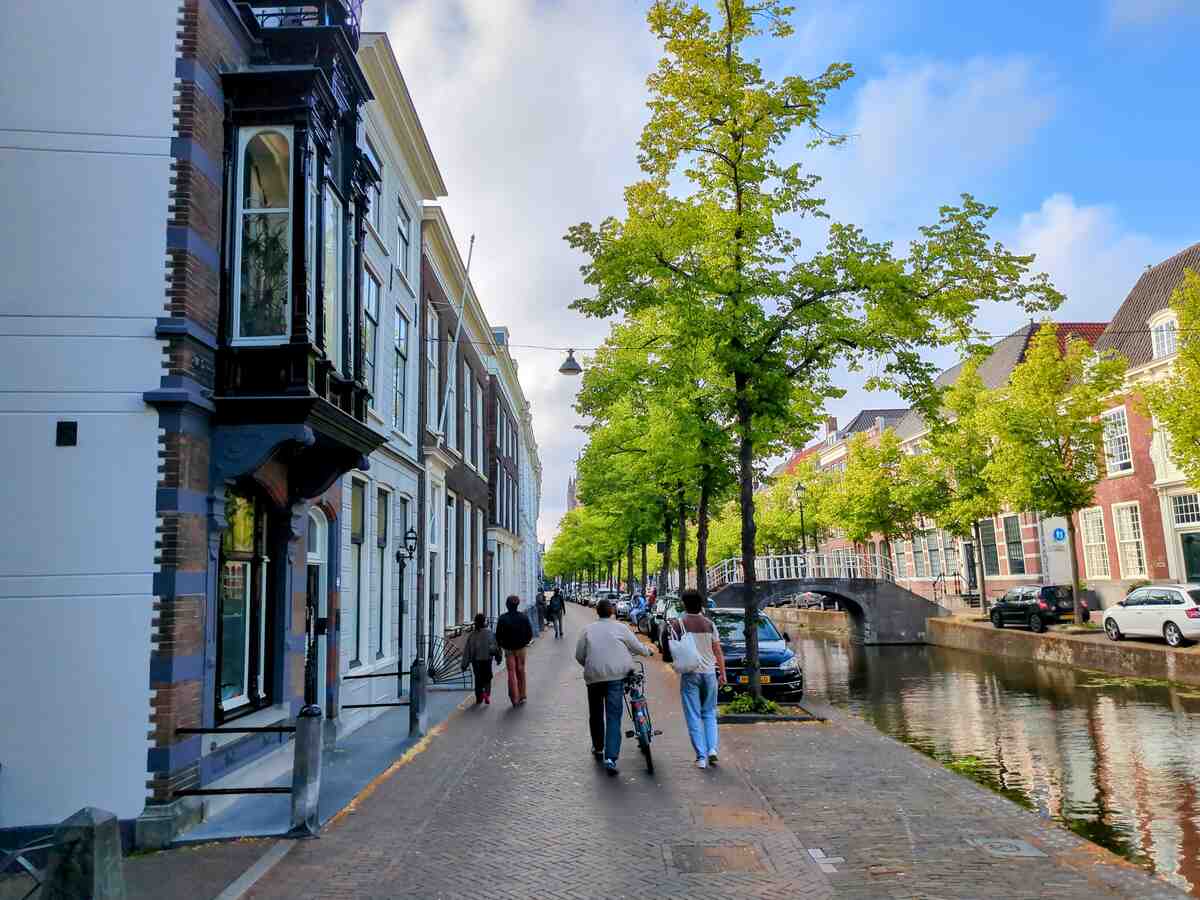
This week I’ve mostly been in The Netherlands, a country that seems so civilised compared to the UK that it makes me want to cry salty Brexit tears. I was over there to help facilitate the Digital Credentials Consortium Summit in Delft, after spending a night in Amsterdam.
Laura and I met in a hotel bar near Amsterdam Centraal, with the original plan to go to the TonTon Club again and play some Japanese arcade machines. However, as my flight coincided with the NATO Summit, and more specifically, with the arrival of a certain American President, the whole airspace was closed. Coupled with (presumed) sabotage to the trainline between Schiphol airport and Centraal, it took me a while to get to the hotel.
So we sacked off plans to go to the arcades, and instead wandered around a bit, catching up in person. We work together most days, but there’s something different about seeing people in 3D, and it’s been 18 months since we’ve seen each other in person.
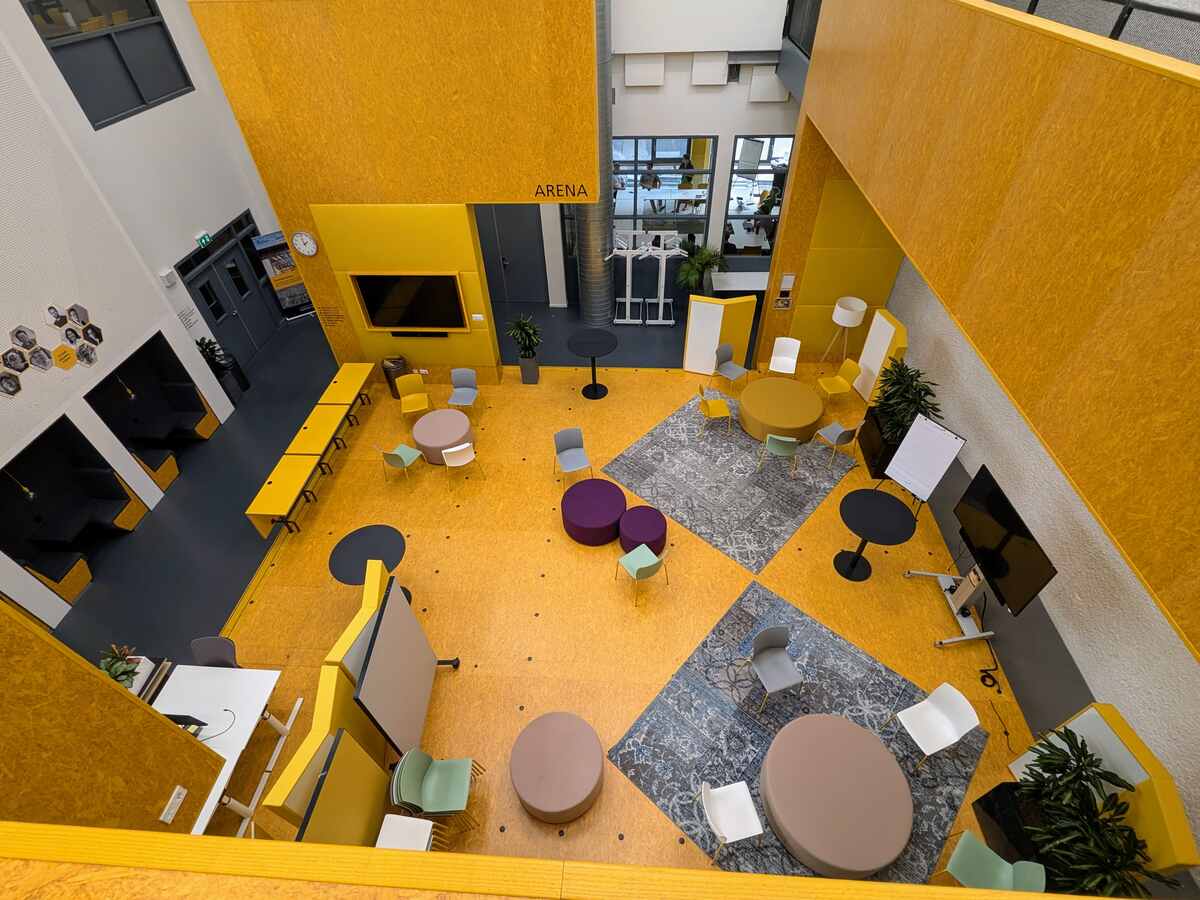
Thankfully, the trip to Delft on the train was uneventful and we met up with Kerri and Gillian at the rather wonderful Teaching Lab at TU Delft. We set up the space, then went back to our hotel, Social Hub Delft. I enjoyed playing some table tennis against Laura, a first-year Romanian Computer Science student, and James from the DCC team. None of them could handle my spin 🏓
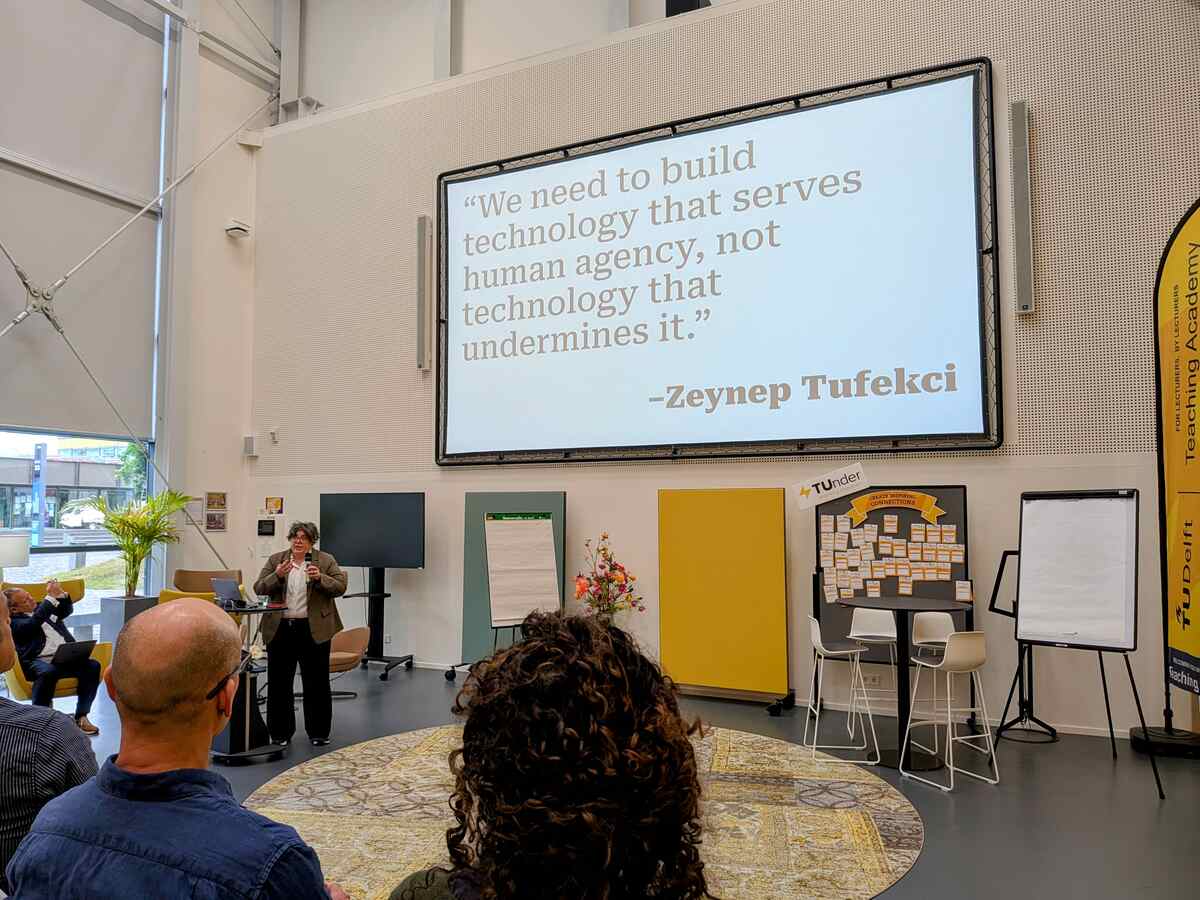
The Summit itself was great. Day 1 was mainly presentation-based, with engaging speakers, and those in attendance (around 40 people from all over the world) were attentive and interested. Laura and I made sure everyone was in the right place at the right time, facilitated the introductory activity, and interjected at the right times.
That evening was the conference dinner, after which I my excuses to go back to my hotel room to watch Juventus vs Man City at the FIFA Club World Cup. In the event, I was so tired I missed the last 10 minutes as I was falling asleep!
Day 2 was more participatory in nature, albeit shorter (finishing at 14:00 local time). We engaged in future-focused activities with representatives of DCC member institutions, considering what the network should/could look like in the year 2030. It went really well, and we’re set up for being able to write an insightful report of what took place.

From there, I travelled back to Schiphol with Laura, had some food, and then we went our separate ways. I had even longer to wait than she did, so I managed to write nine of my 10 regulation Thought Shrapnel posts for the week. I published the last one this morning:
- We love these people because of what they left us. Not because of what they had.
- To retain any institutions of higher education in this onslaught from techno-authoritarianism requires – now and hereafter – we redesign them
- A decentralised, self-hosted trails database
- “The music is one thing, but the message is a big part of why we’re getting across.”
- Is CC Signals the new robots.txt?
- People who can tolerate uncomfortable silences are typically better listeners
- Keeping bedroom sound levels beneath the low-60s dB is a pivotal target for preserving restorative sleep stages
- People contribute in their free time. Gratitude is the least we can offer.
- Free, customisable exemplar badges to support consistent, credible recognition of skills and learning across the UK.
- Unfortunately, a further escalation of the already dismal curtailing of academic freedom in the US appears to be likely.
Back at the ranch, aka “Casa Belshaw,” aka “the house we moved to last year,” what my wife described as “chaos” was ensuing. As I pointed out to her, chaos is unstructured, whereas what the Octopus engineers were doing was thoughtful, measured, controlled, and planned. Yes, there were at times six vans outside our property. Yes, there were heating engineers, plumbers, and electricians moving between rooms removing and installing radiators, etc. But on the whole, although it was noisy, it was extremely efficient.
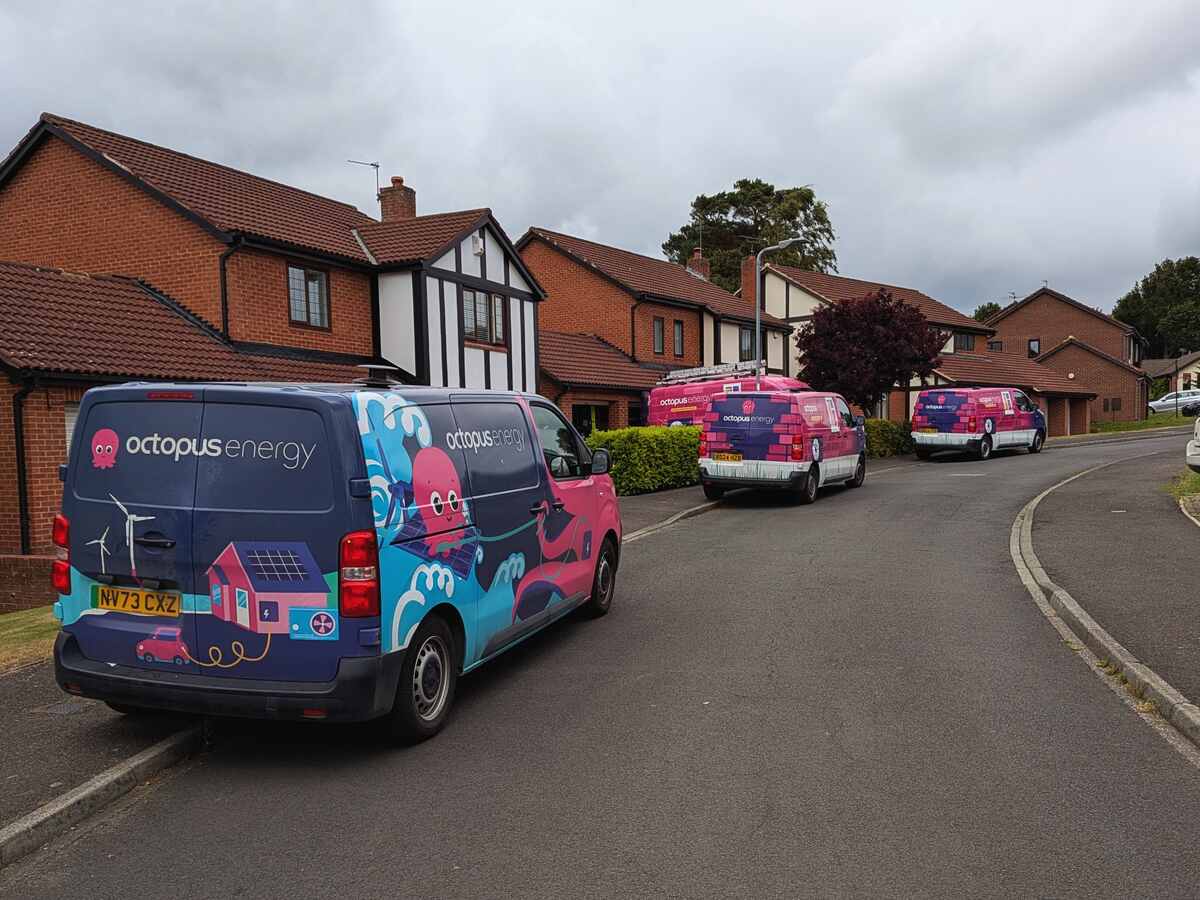
But then, as she pointed out to me, I was away for three and a half days of the “home invasion” during which she tried to work from home as best she could. We’re delighted with the result, though. Everything has been installed to a very high standard, we’ve got nice hot water, and the water pressure is much better than before.
Perhaps the best thing, though, is that we no longer even have a gas meter as Octopus are turning off the gas supply to our property. As we’re on a renewable energy tariff, the only thing still running on fossil fuels is our second, smaller petrol-powered car. When we replace that, I should imagine we’ll be getting another EV. And solar panels and home batteries are part of our medium-term planning, too.
I’ve been geeking out on the Daikin app and various controls, although it seems super-simple. They removed our Nest thermostat, which was perfect timing, as ours was one of those for which Google is removing support later this year. From what I understand, there’s a lot less ‘fiddling’ to do with heat pumps, so I’m looking forward to saving both money and the planet.
Now for something completely different, which maybe should be its own blog post.
One of the problems of the (post-post?)modern era is that those on the right of politics are allowed to change their mind about policies on an hourly basis and face zero consequences. Meanwhile, those of us on the left of politics hold each other accountable for even the slightest deviation from a position we may have happened to hold in the past.
This is exacerbated by social media, which can be seen as essentially a record of people’s opinions over time. We therefore — consciously or not — find ourselves self-censoring, checking that our ‘take’ is consistent with our previous statements. This is incredibly problematic if, for example, you decide to be “pro” or “con” a specific technology.
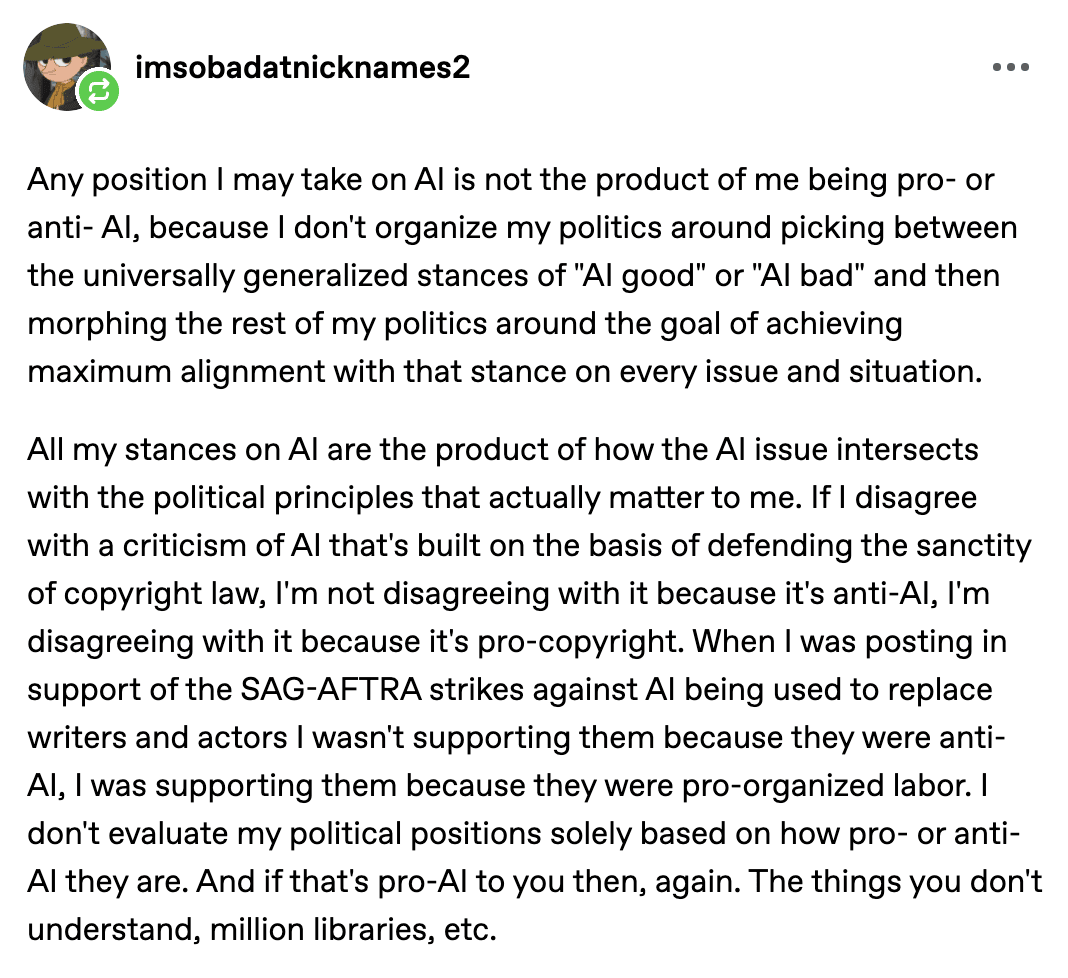
The above Tumblr post was reshared by Cory Doctorow and, like him, I very much agree with this approach and general sentiment. I have ethical and political positions and I use these to evaluate whether something is “good” or “bad” — not whether a particular technology is used.
There are heuristics to make all of this easier, of course. But that’s based on experience. It’s the reason why I don’t use products made by Meta: unless they change course massively, their values are almost 180-degrees opposed to mine. So the technologies they provide are opposed to my general life project.
It’s a nuanced position, for sure. And I absolutely respect the position of people who consider generative AI to be completely add odds with their values. But, just as I don’t spend all of my time writing with the purpose of trying to convince people to boycott Meta, stop eating meat, and switch to public or sustainable transport, so I don’t think there’s much point scolding others for using generative AI. People follow other people’s actions and use other people’s words to back up things they’ve either already decided to do (or to avoid).
This weekend, I’ve been to the gym to do some leg weights, and I’ll probably run on the treadmill tomorrow. While I was away I managed to go on the rowing machine a couple of times and do some Pilates, but didn’t do as much exercise as usual. I’m tired though, so I’ll probably just play EA FC 25 and visit my parents.
Next week, we’re starting on the DCC report, talking to Skills Development Scotland about their upcoming tender relating to Verifiable Credentials, talking to the BBC about AI Literacies work, and continuing the Amnesty International UK community platform project. Plenty to be getting on with!
All photos take by me.